
Meet Our Keynote Speakers
-
![]()
Dr. Bruce McIvor
-
![]()
Eric Tootoosis
-
![]()
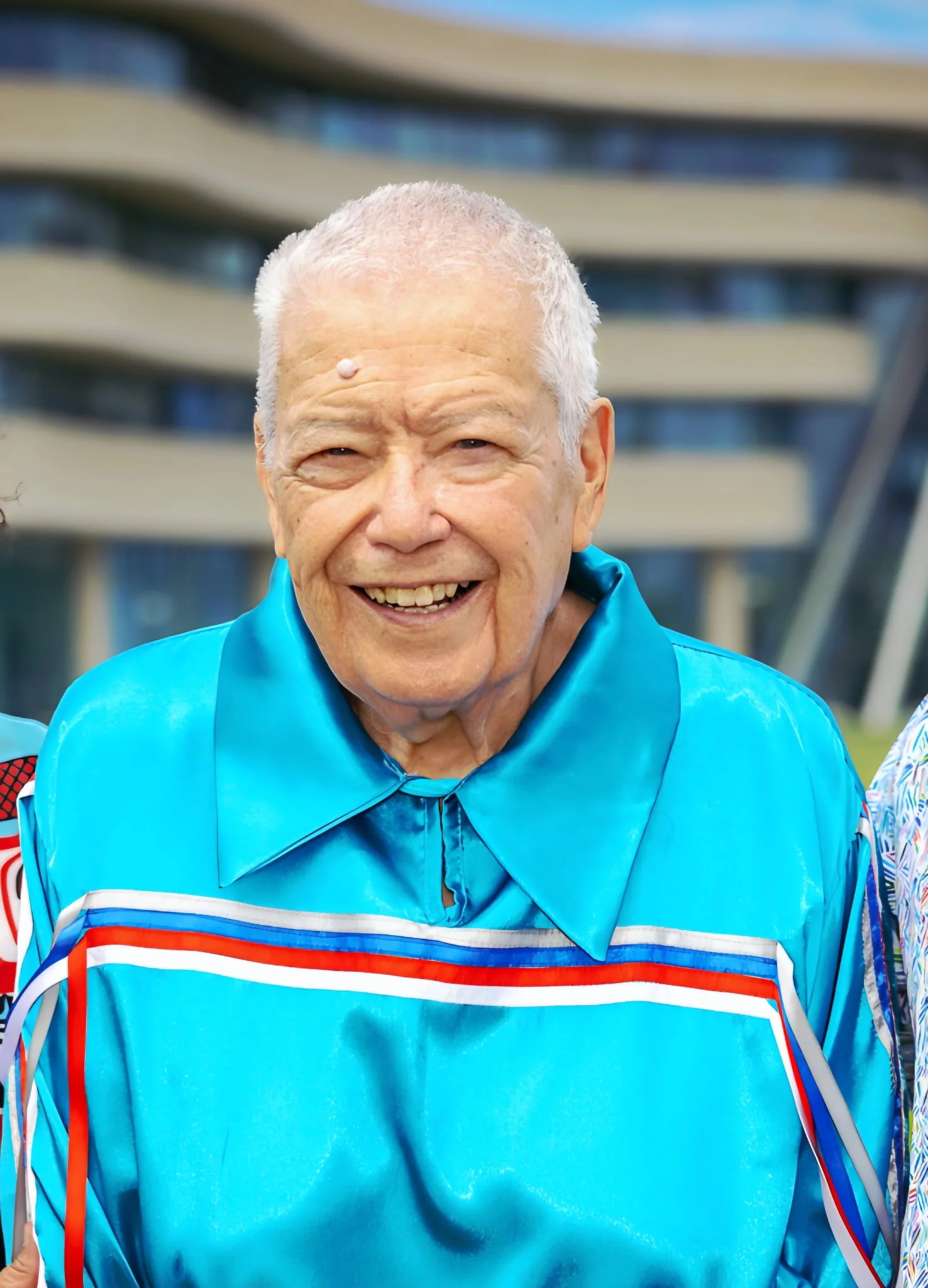
Sol Sanderson
-
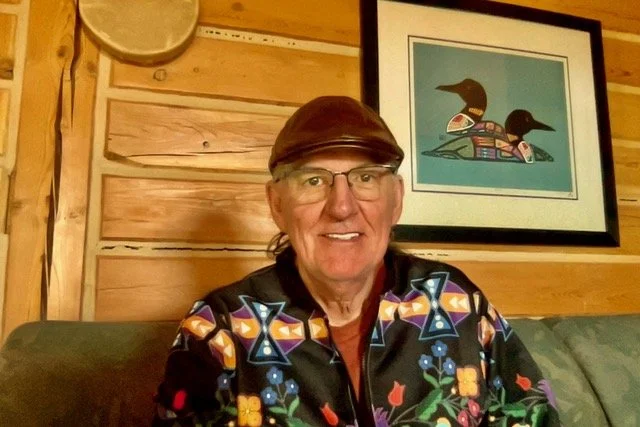
![Man smiling]()
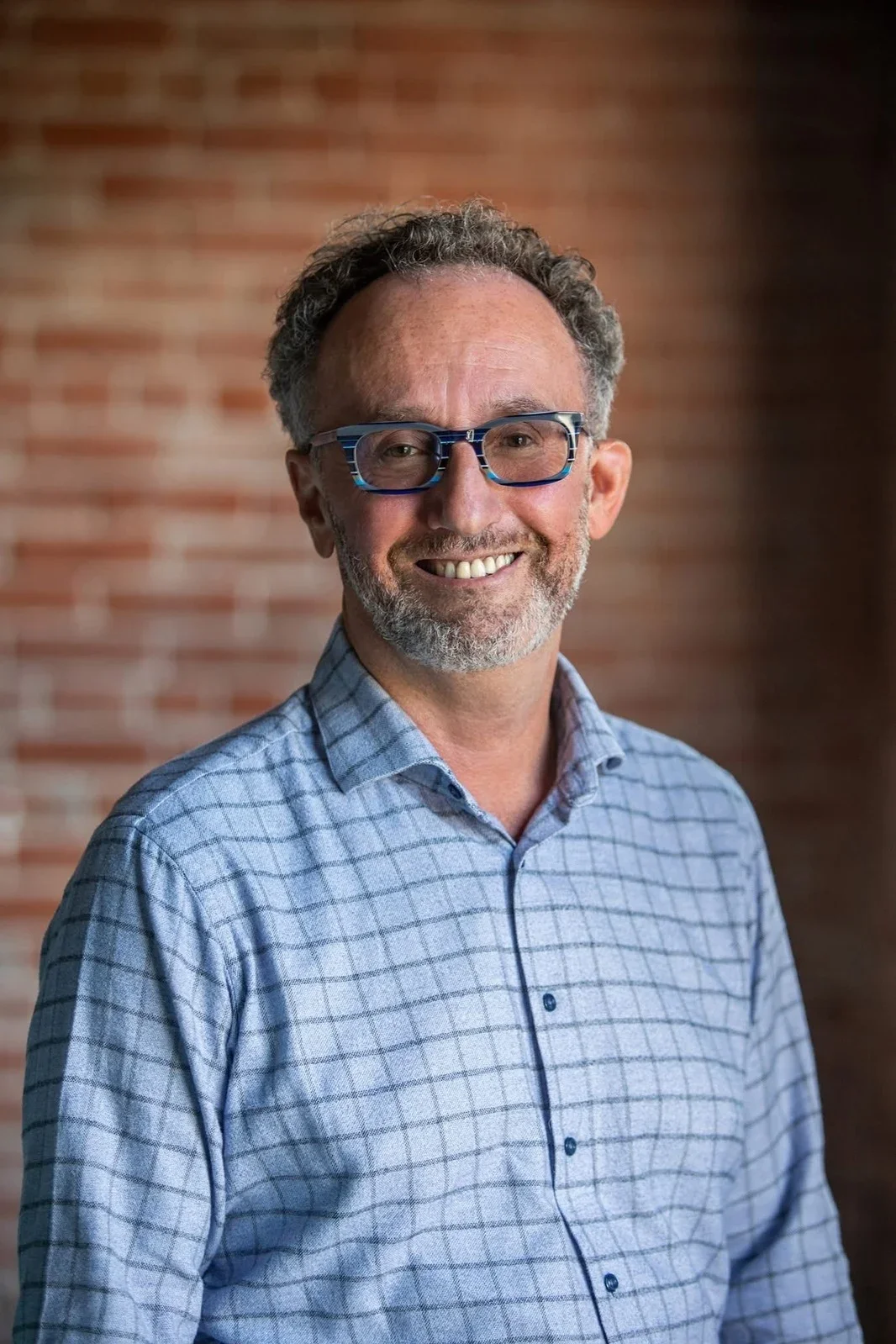
Bryce Tippe



Meet Our Pre-Conference Speakers
-
![]()
George Stanley
-
![Womens professional headshot]()
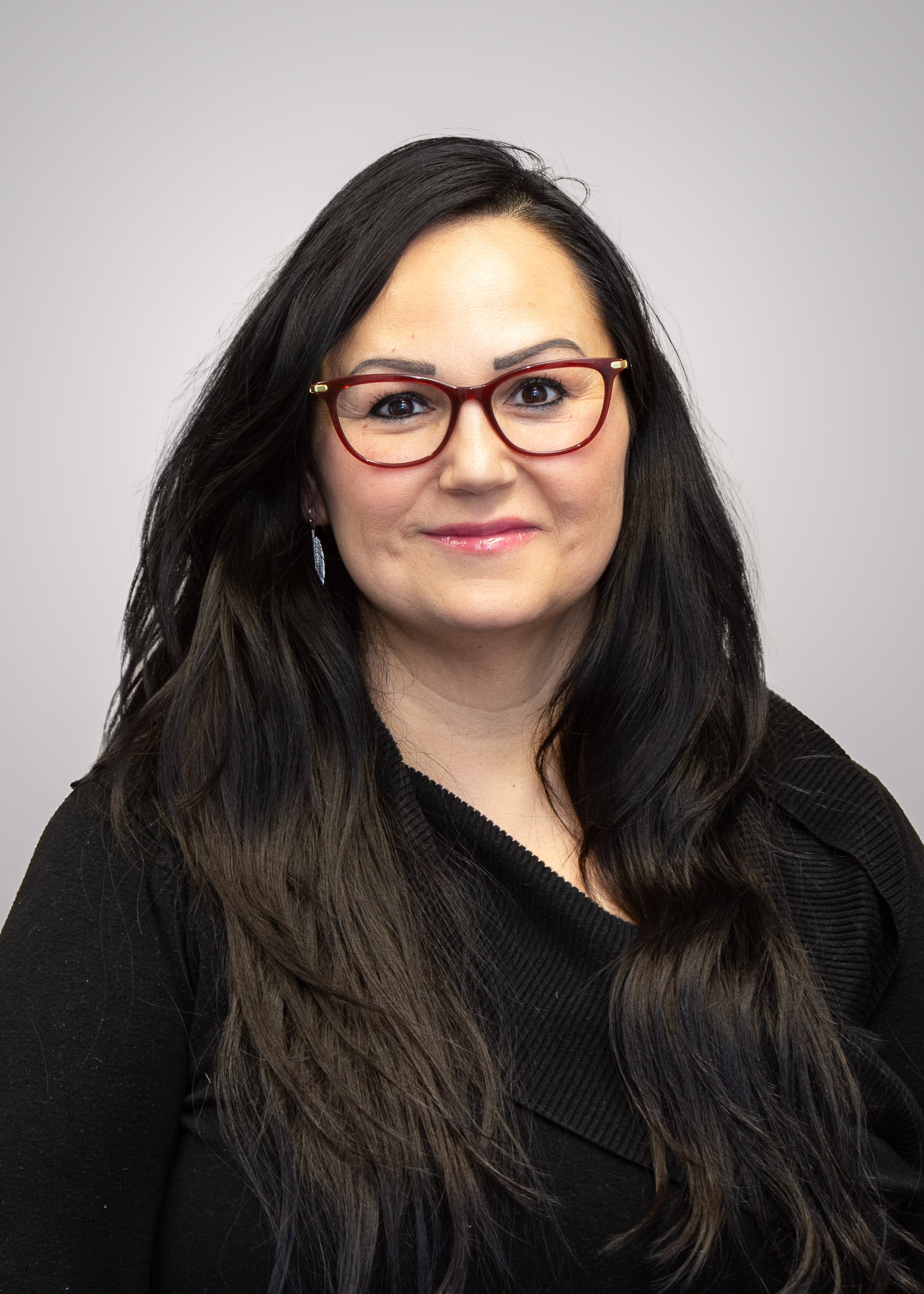
Karen McCarthy
-
![]()
Deanne Kasokeo

Concurrent Breakout Sessions On Treaty Perspective
-
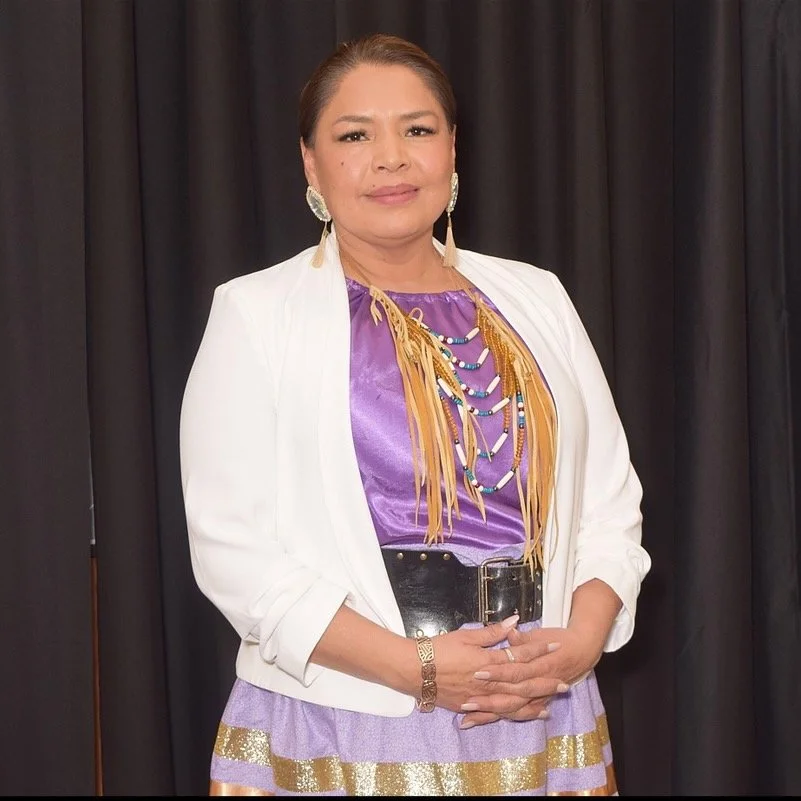
![Women wearing purple and white]()
Stephanie Alexis
Protecting Treaty: Teachings from a Nakota Worldview
-
![]()
Josephine Auger
The Spiritual Responsibility To The Land, Air & Water As Cree Peoples
-
![]()
Marie Smallboy
The Depth Of The Plough
-
![]()
Stewart Cameron
From Signing to Sovereignty: Living Treaty Through Sacred Relations Law
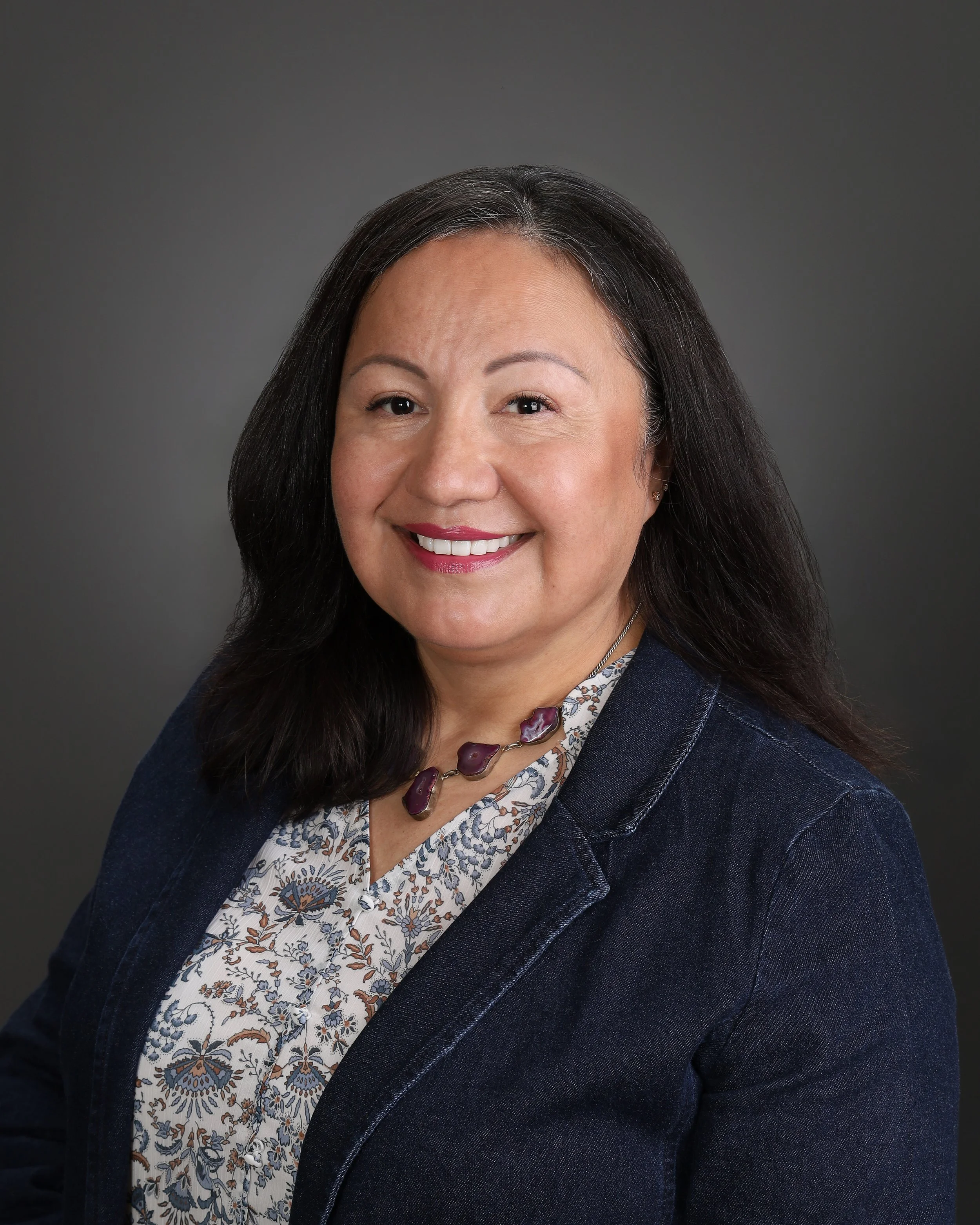
Scholar Panel: How Provincial & Federal Policy Impacts Treaties In Canada

Moderator
-
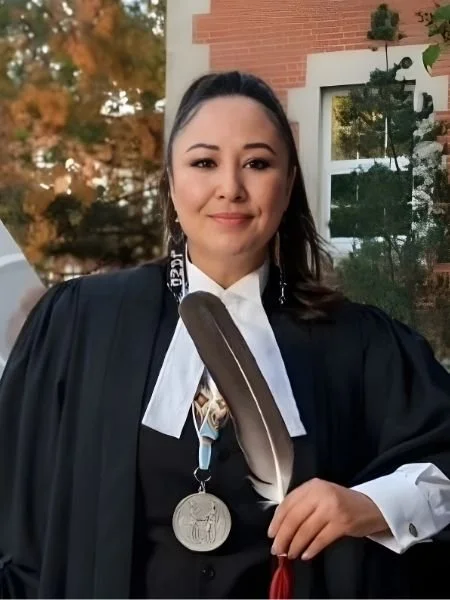
Anita Cardinal is Nêhiyaw (Cree) and a member of Woodland Cree First Nation situated on Treaty 8 Territory. She is a compassionate and determined lawyer who aims to work towards justice, truth and upholding Treaty Rights. Anita returned to university after many years practice as a senior paralegal to obtain her law degree and was called to the Alberta Bar in 2023. Anita is committed to serving clients, in Child, Youth and Family law, Advisory roles, Wills, Indigenous law-making and litigation. She has experience in class actions for First Nation victims such as the Sixties Scoop and Forced Sterilization of Indigenous women in Alberta, of which her mother is the Representative Plaintiff.
Anita offers First Nation law making services from a Treaty perspective, including in the development of Indigenous laws and policy. She currently works with her nations CFS agency
Mistikaskiy Ohipikihawasowin Mamawintowin Society (MOMS), as in house council in development of their CFS laws under the Act. She also is a lawyer with O'Kelly Law and a new roster lawyer for the Office of the Child and Youth Advocate, Legal Representation for Children and Youth (LRCY).
Beyond law, Anita serves on the Board of Directors of the River Valley Alliance and is the founder of Indigenous Runner YEG. She is an ultramarathon trail runner and the Race Director and organizer of the Annual Orange Shirt Day Run/Walk held on the National Day for Truth and Reconciliation. She is most passionate about her family and providing a strong voice for human rights issues and children in care.

Panelists

-
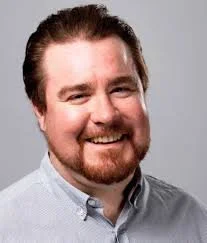
Matthew Wildcat is a member of the Ermineskin Cree Nation and was raised in the community of Maskwacis, Alberta. He holds a PhD in Political Science from the University of British Columbia and is currently an Assistant Professor in the Department of Political Science and Faculty of Native Studies at the University of Alberta. His research focuses on Indigenous governance, with a particular emphasis on relationality and jurisdiction among First Nations. He leads the Relational Governance Project, which explores how Indigenous nations establish shared governance structures. Wildcat is also a research fellow at the Wahkohtowin Law and Governance Lodge and a director of the Prairie Relationality Network. His collaborative work spans institutions and communities including the Maskwacis Education Schools Commission, Parks Canada, Dene Nahjo, Gwich’in Youth Council, and several universities and Indigenous organizations across Canada. Through his scholarship and community engagement, Wildcat is contributing to the advancement of Indigenous governance and legal traditions.
-
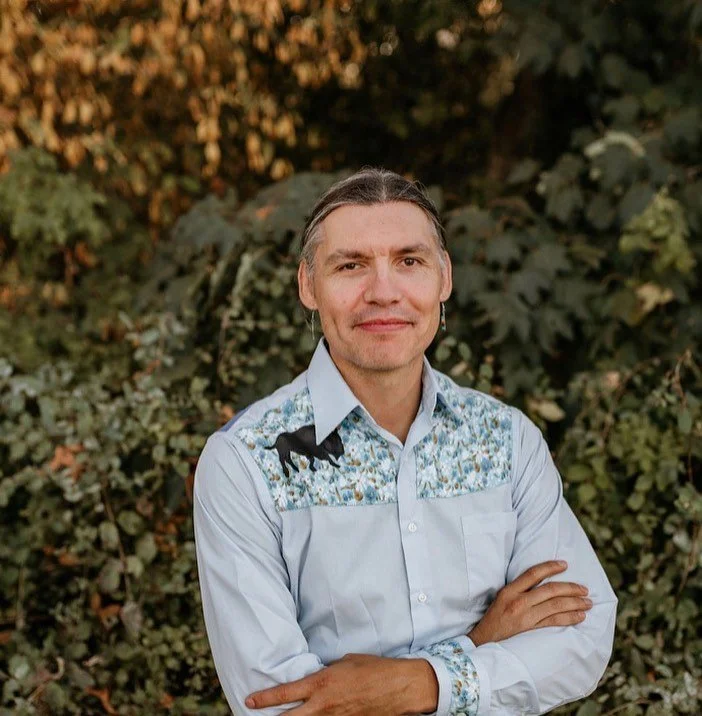
Darcy Lindberg is non-status nêhiyaw with his family coming from maskwâcîs in Alberta and the Battleford-area in Saskatchewan. He teaches within the joint degree program in the Faculty of Law at the University of Victoria, engaging with Indigenous legal orders and the common law. His work and teaching focuses on nêhiyaw ways of being and nêhiyaw law, the foundations of Indigenous legal orders generally, ecological governance through Indigenous laws, Canadian constitutionalism, and nêhiyaw treaties and treaty making.

Carrying The Teachings Forward:
Elder & Youth In Treaty Dialogue
Moderator

-
Bio TBA
-
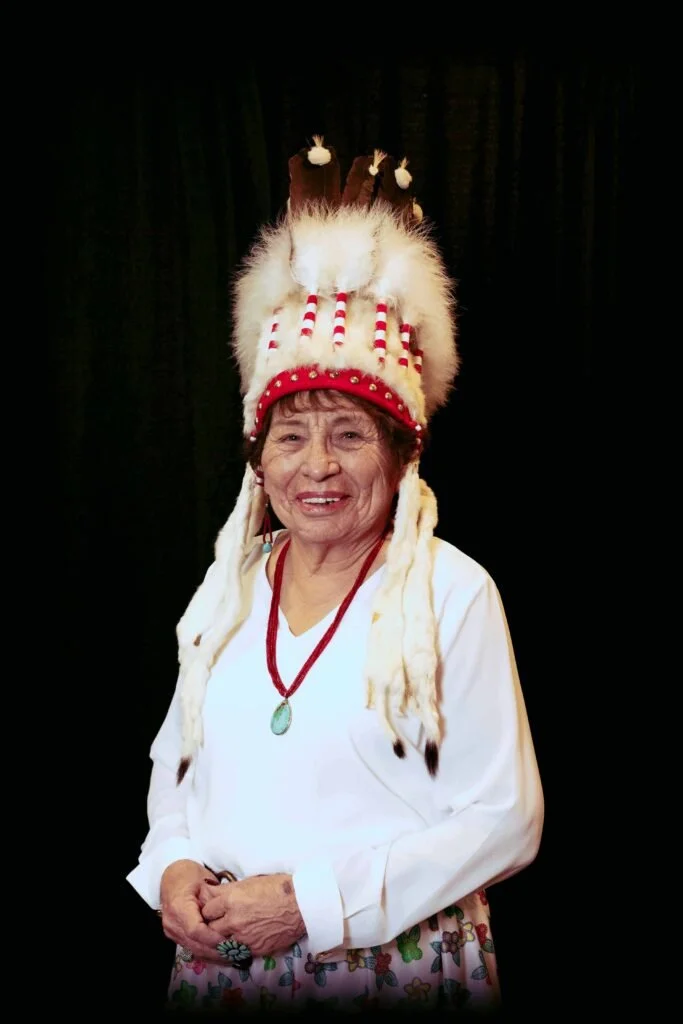
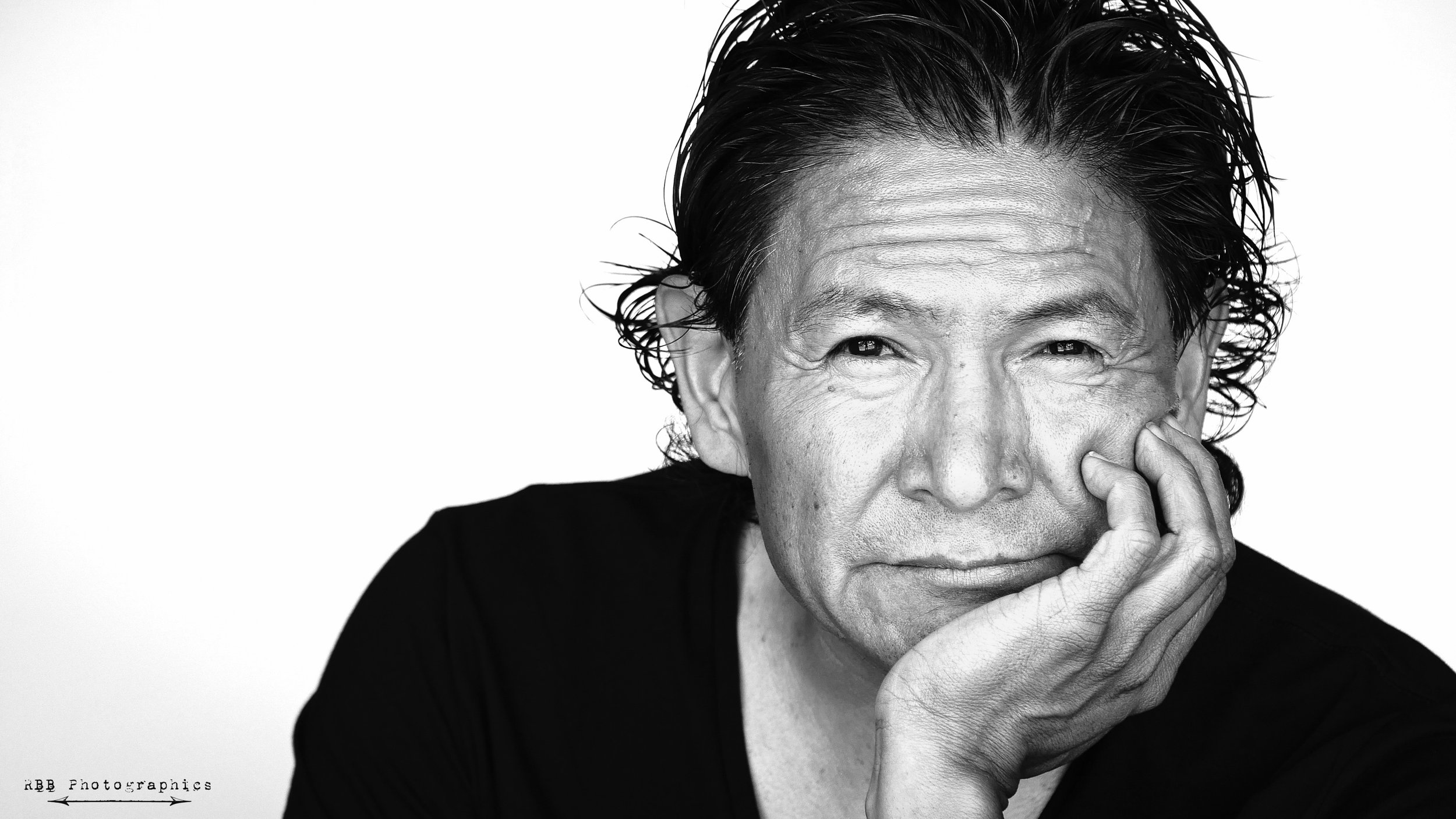
Regena Crowchild, a respected leader from the Tsuut’ina Nation, made history as the first woman ever elected to Tsuut’ina Council in the 1970s and was most recently re-elected in 2022. Over her distinguished political career, she has championed Nationhood and played a central role in developing the Nation’s laws, policies, and regulations. She has overseen major initiatives, including the casino portfolio and environmental clearance of returned military lands.
A survivor of residential school, Regena later earned a diploma in Business Management from Henderson’s Business College in Calgary. Her career spans work in business, First Nation governments, Indian organizations, and all levels of government. A tireless advocate for Inherent and Treaty Rights, she has represented Indigenous peoples regionally, nationally, and internationally—including at the United Nations.
Regena served as Vice President and later as the first woman President of the Indian Association of Alberta. She continues to inspire as a proud mother, grandmother, and knowledge keeper.

-
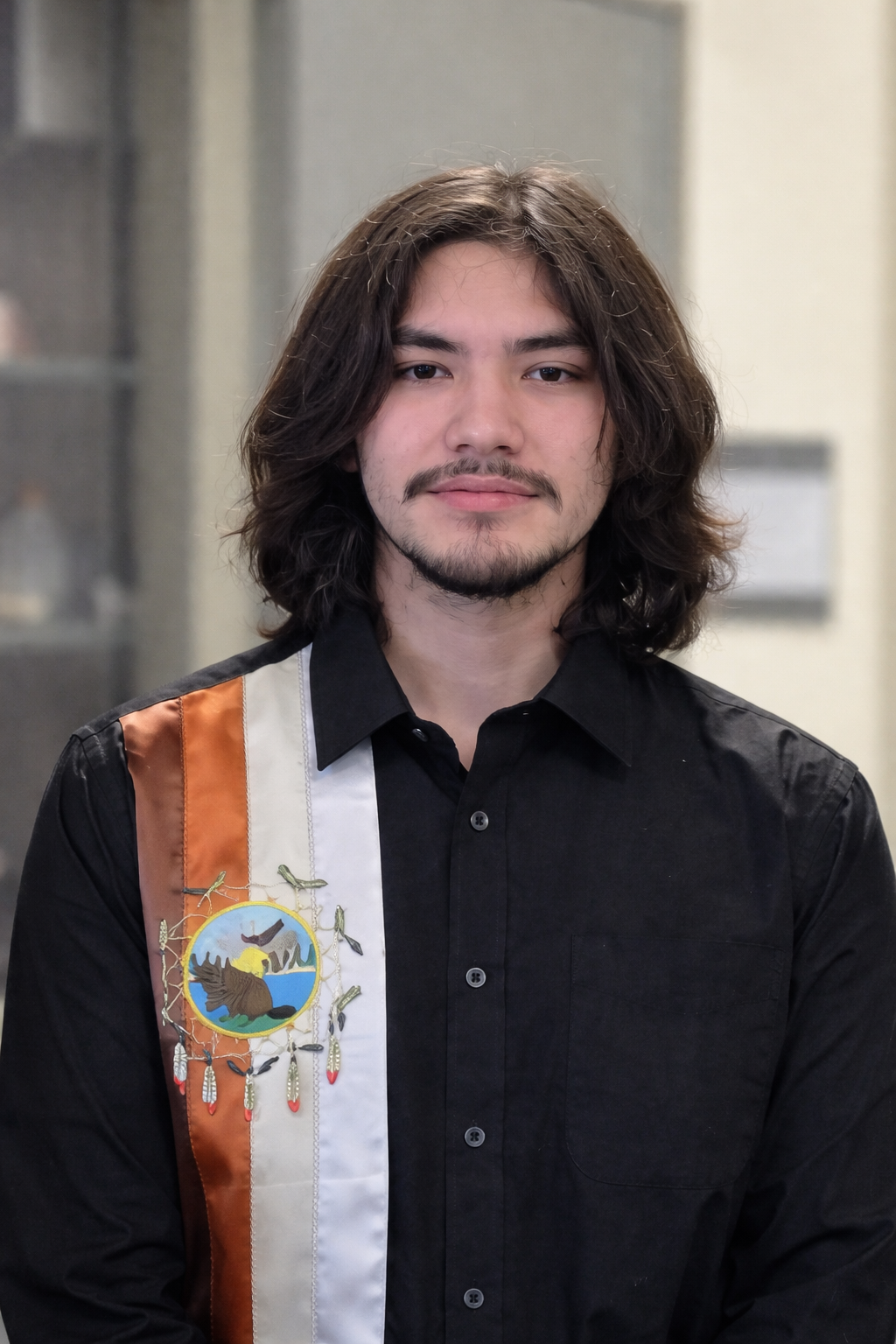
Lance Scout is a member of the White Weasel Tribe located in Treaty Seven lands. Lance has provided workshops in healing and wellness for over 25 years, and has branched out into Treaty Six lands with passion and vision. Through sharing the Indigenous ways of knowing and mentoring in humility, we can begin to release the cycle of adversity and enter the circle of healing. “Culture is Prevention.” Workshops and Presentations are founded on cultural principles and values that motivate and provide pathways of insights to become culturally creative in practice.
Panelists
-
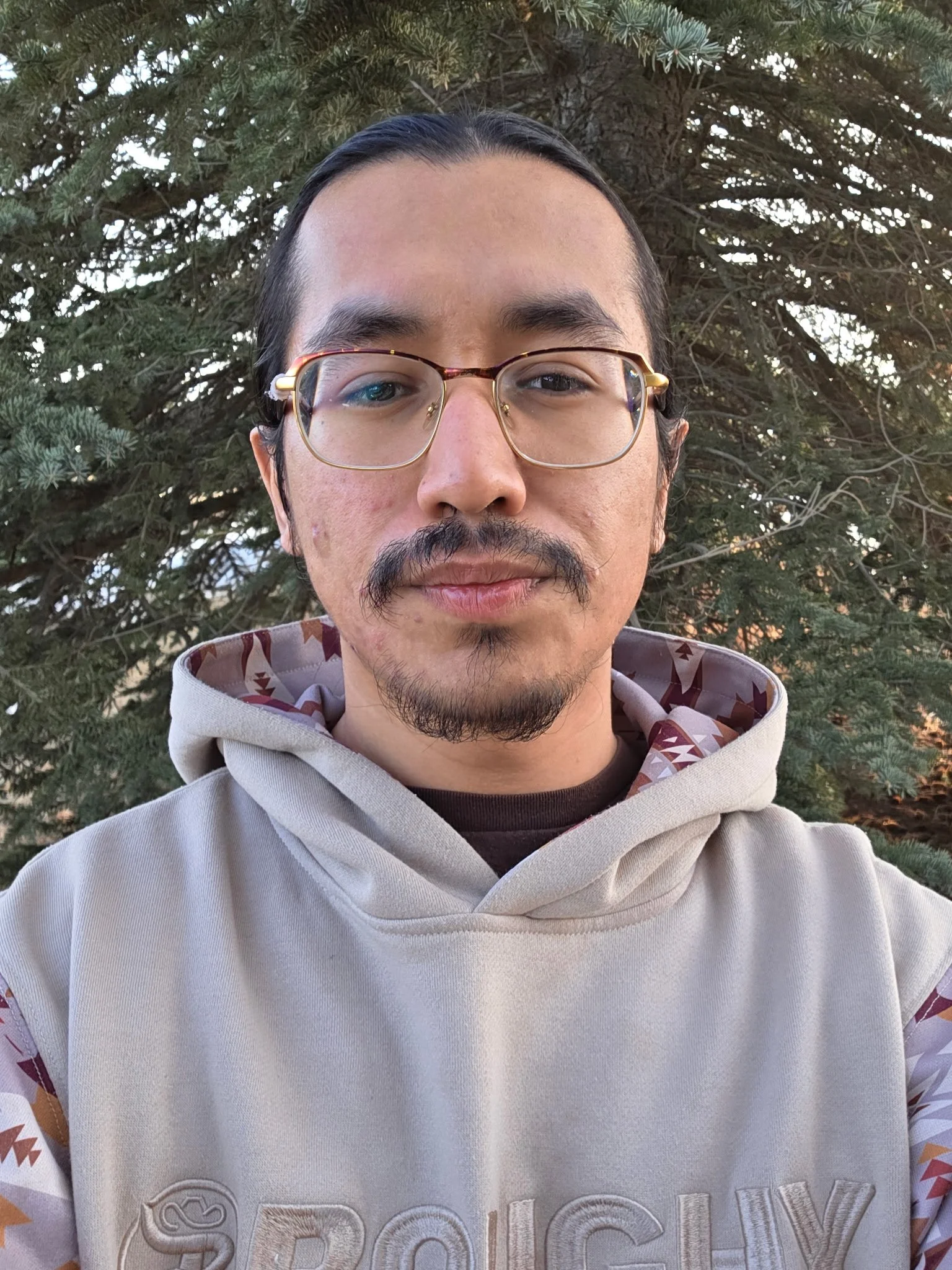
My name is Blaise Mercredi and I come from Beaver First Nation in the Treaty 8 territory. I am 20 years old, and I work as a Youth Worker within my community. In my life, I had many opportunities to listen in on conversations around Treaty and its relevance in our lives. Hearing those conversations and seeing how my peers were falling into harmful cycles led me to be more interested in learning about Treaty, what OUR ancestors wanted us to learn and know. To me, Treaty represents connection.
-
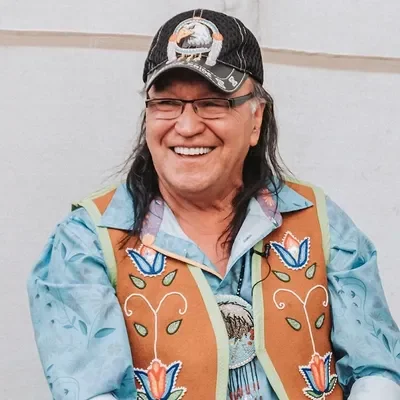
Nîtsîkason (my name is) Jaiven Buffalo-Moonias. I’m from Kispatnahk (Louis Bull), which is part of Maskwacis, formerly known as Hobbema. I’m 25 years old and began to be interested in Treaties and my culture as a teenager. I went to various treaty camps, cultural camps, and conferences where I got to learn from some amazing individuals. I was adopted by Jenny Moonias at 3 months old, and I was brought up in a traditional family. My parents were too young to raise me, my biological mom is Destiny Buffalo, and my biological dad's name is Edgar Threefingers. I don’t have many major titles, but I consider myself an oskapew and an avid learner of my culture and treaties. I enjoy listening to elders whenever I can. I also have a diploma in Indigenous Education.
-
Elder Fred Campion is a highly respected cultural knowledge keeper and the founder of Prairie Aboriginal Tech Services (PATS). With over 30 years of professional experience and more than 40 years of personal dedication, he has provided cultural services to government agencies, non-profits, corporations, individuals, families, and communities across Canada. Deeply rooted in Cree and Sioux teachings, Elder Campion is well-versed in traditional Indigenous ways and leads various sacred ceremonies that honor and preserve Indigenous cultural practices.
His teachings are widely respected, and his inclusive, respectful approach resonates with both Indigenous and non-Indigenous audiences. Known for his humility, kindness, and wisdom, Elder Campion plays a vital role in fostering understanding and reconciliation through cultural education. His lifelong commitment to cultural revitalization and community service continues to impact lives and strengthen Indigenous identity across generations.
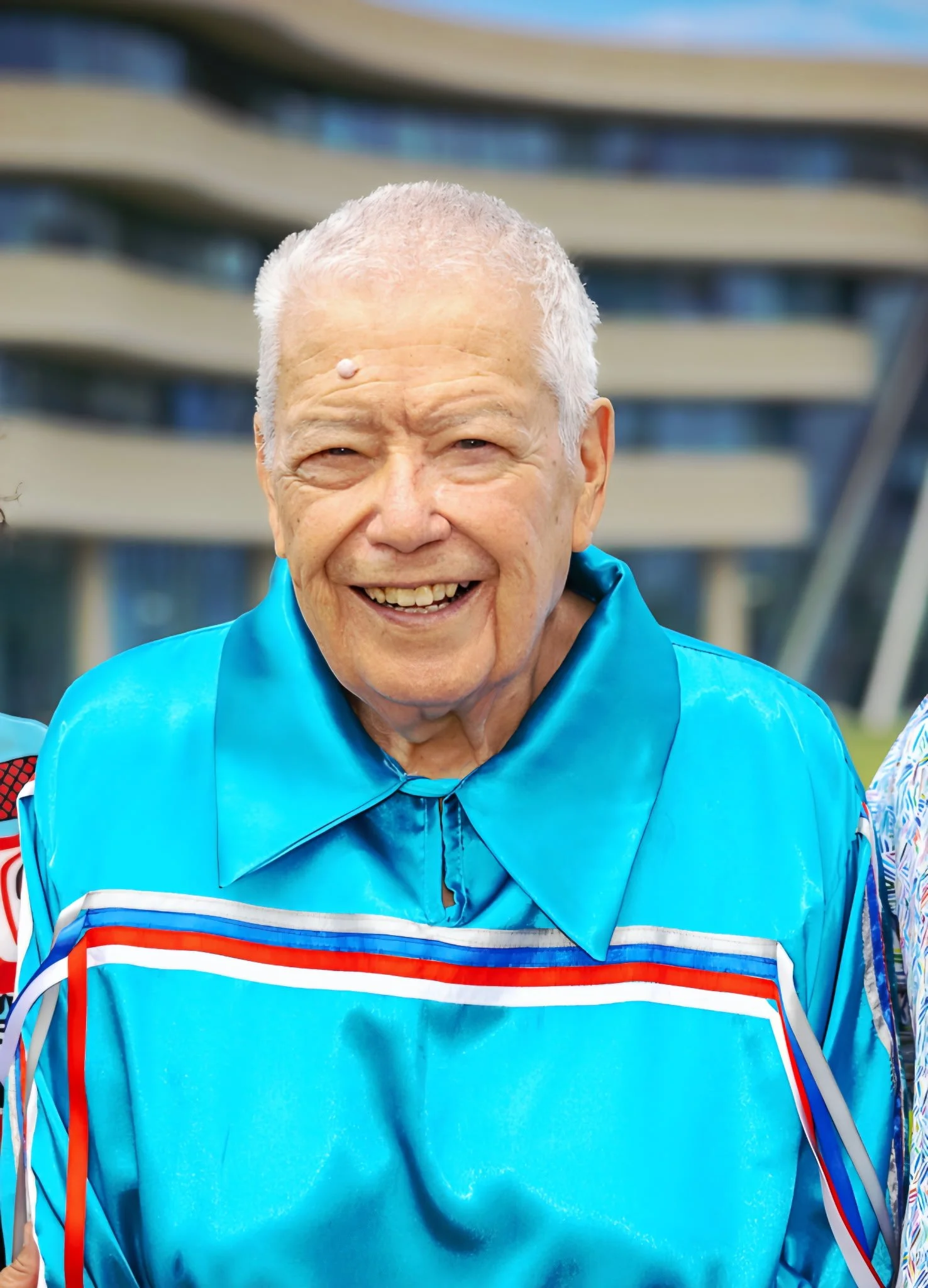
-
Sol Sanderson, a respected Cree leader from James Smith Cree Nation in Saskatchewan, served as Chief of the Federation of Saskatchewan Indian Nations (FSIN) from 1979 to 1986. During his leadership, First Nations in Canada became increasingly active in asserting their political rights. Sanderson played a pivotal role in the inclusion of Treaty and Aboriginal rights in the Canadian Constitution in 1982. He led a delegation to the British Parliament to advocate for Treaty rights and was instrumental in elevating their recognition at the international level. A founding leader of the Assembly of First Nations, he was a senior spokesperson at the First Ministers’ Conferences on Indigenous issues. Sanderson was a driving force in the development of Indigenous self-government and helped establish key First Nations institutions, including the Saskatchewan Indian Cultural Centre, Saskatchewan Indian Institute of Technologies, and First Nations University of Canada. He also played a vital role in the Treaty Land Entitlement process in Saskatchewan.
Meet Our Luncheon Entertainment
-
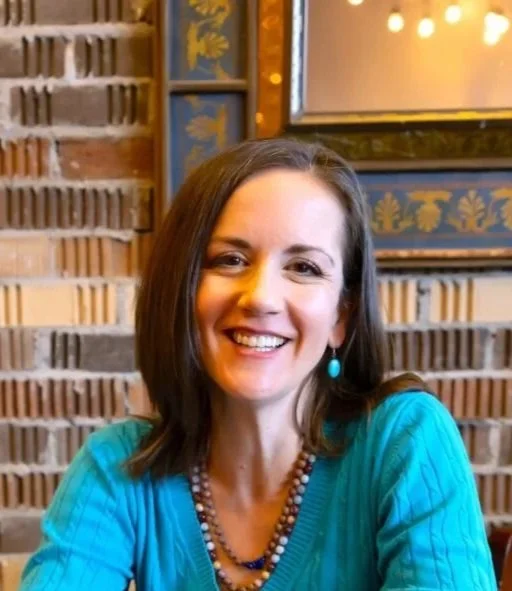
Tiffany Sparrow
-
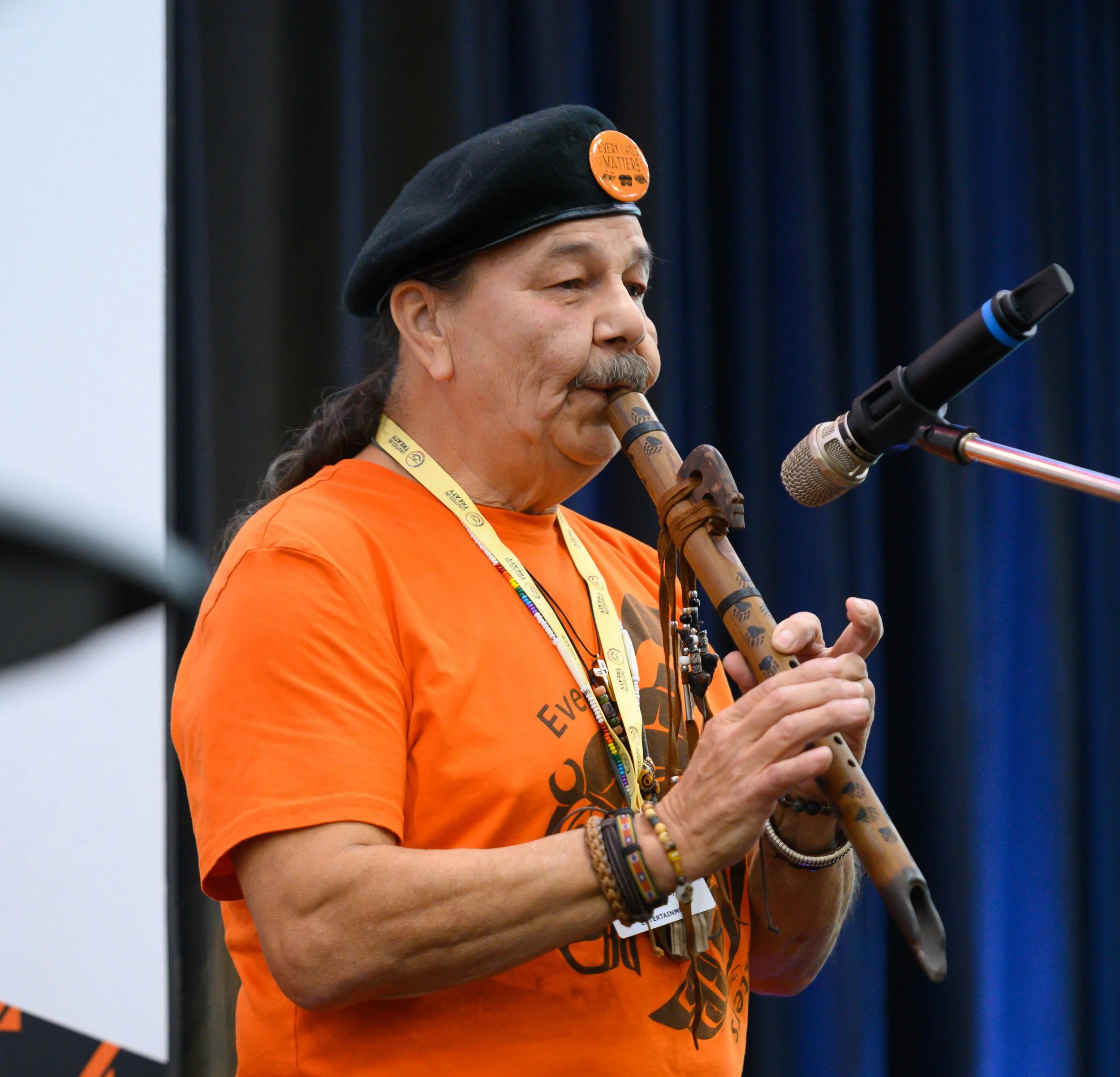
G. Mark Taylor
Meet Our Emcee & Conference Elder
-

Emcee Deanne Kasokeo
Deanne Kasokeo is a lawyer, advocate, and playwright from Treaty 6 Territory, committed to defending the rights of First Nations people. With 16 years of legal practice, she has represented clients across criminal, family, labour, and governance matters and served as counsel to multiple First Nations. A published playwright, she famously reclaimed her copyright in the Federal Court. A descendant of Mistahi Maskwa (Big Bear) and raised in a strong matriarchal tradition, she is a proud mother and grandmother, guided by a lifelong commitment to Treaty rights, cultural protection, and Indigenous justice.
-
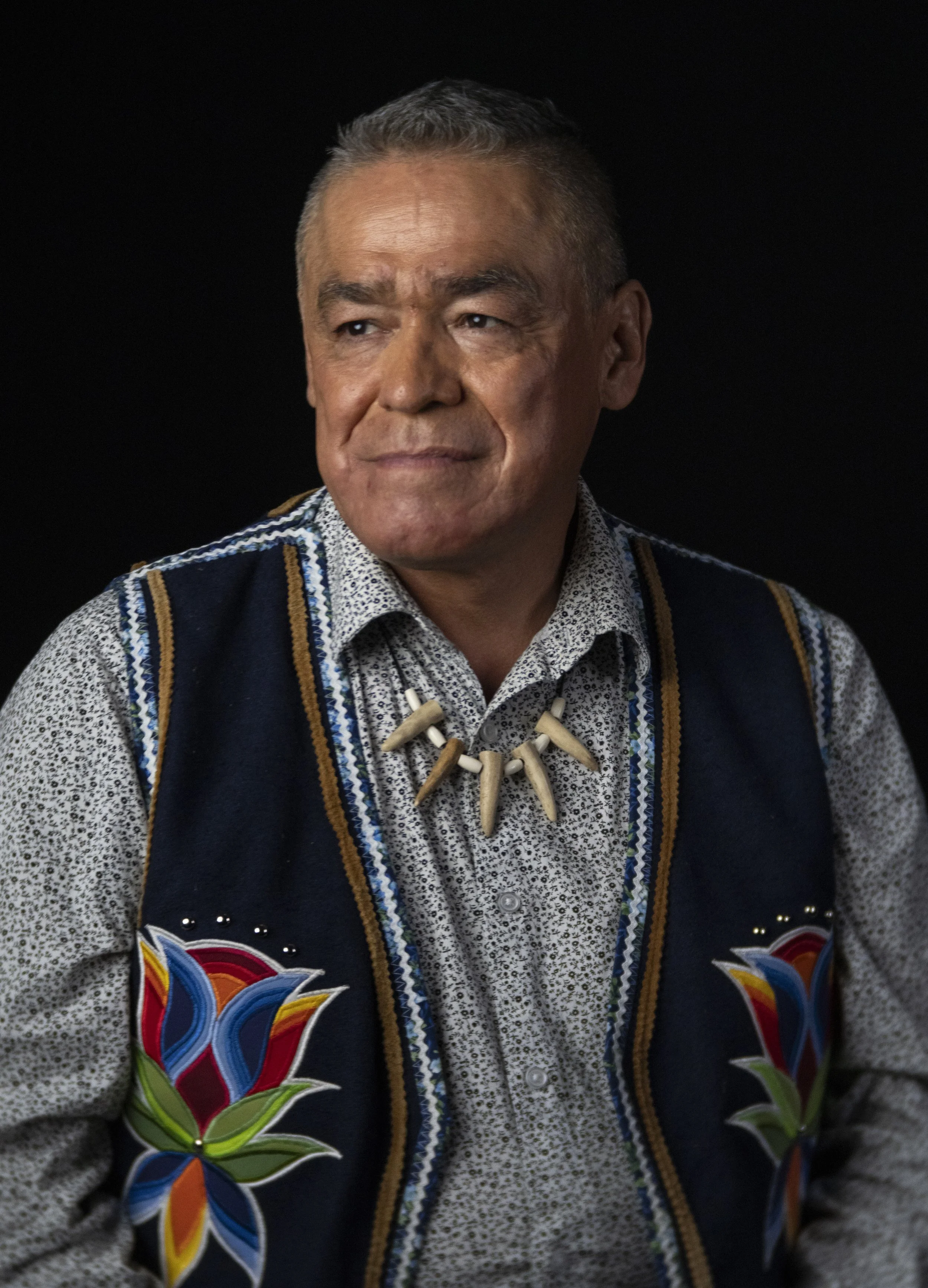
Emcee Lewis Cardinal
Lewis Cardinal is a communicator and educator from the Sucker Creek Cree First Nation in Treaty No. 8 in northern Alberta. With more than three decades of leadership, he has advanced Indigenous rights, cultural revitalization, and interfaith relationship building at local, national, and global levels. His work has earned numerous honours, including two Queen Elizabeth II Jubilee Medals, the Indspire Award for Public Service, and an honorary doctorate from the University of Alberta. He currently serves as the 11th Chancellor of St. Stephen’s College, with his work guided by a lifelong commitment to nurturing respectful relationships among diverse communities and worldviews.
-
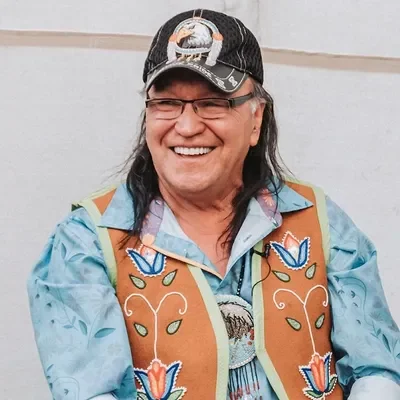
Conference Elder Fred Campion
Elder Fred Campion is a respected cultural knowledge keeper and founder of Prairie Aboriginal Tech Services (PATS). With over 30 years of professional experience and more than 40 years of dedication, he has provided cultural services to governments, organizations, and communities across Canada. Rooted in Cree and Sioux teachings, he leads sacred ceremonies and shares traditional knowledge that honours and preserves Indigenous cultural practices. Known for his humility and wisdom, he remains committed to fostering understanding, reconciliation, and cultural revitalization across generations.


Edmonton Inn & Conference Centre
11834 Kingsway NW | Edmonton, Alberta
United in Treaty will take place in Edmonton, Alberta at the Edmonton Inn & Conference Centre. Located just five minutes from the city’s downtown, this convenient, amenity-rich venue is Edmonton’s largest meeting space and offers the perfect, welcoming environment for a meaningful, connected, community-focused event.
A dedicated room block has been arranged at the Edmonton Inn & Conference Centre for attendees of the United in Treaty Conference, scheduled for May 4th–6th, 2026. Located at 11834 Kingsway Avenue, Edmonton, AB, this venue offers 260 spacious guest rooms and is recognized as Edmonton's largest conference hotel, providing ample space and amenities for conference participants.
To reserve your accommodation, please contact the hotel directly at 1-888-747-4114. Mention your attendance at the United in Treaty Conference to access the special group rate. For more information about the hotel and its facilities, visit their official website: edmontoninn.ca
We encourage early booking to ensure availability and secure the preferred rate.